The Importance of Crypto Wallet Security
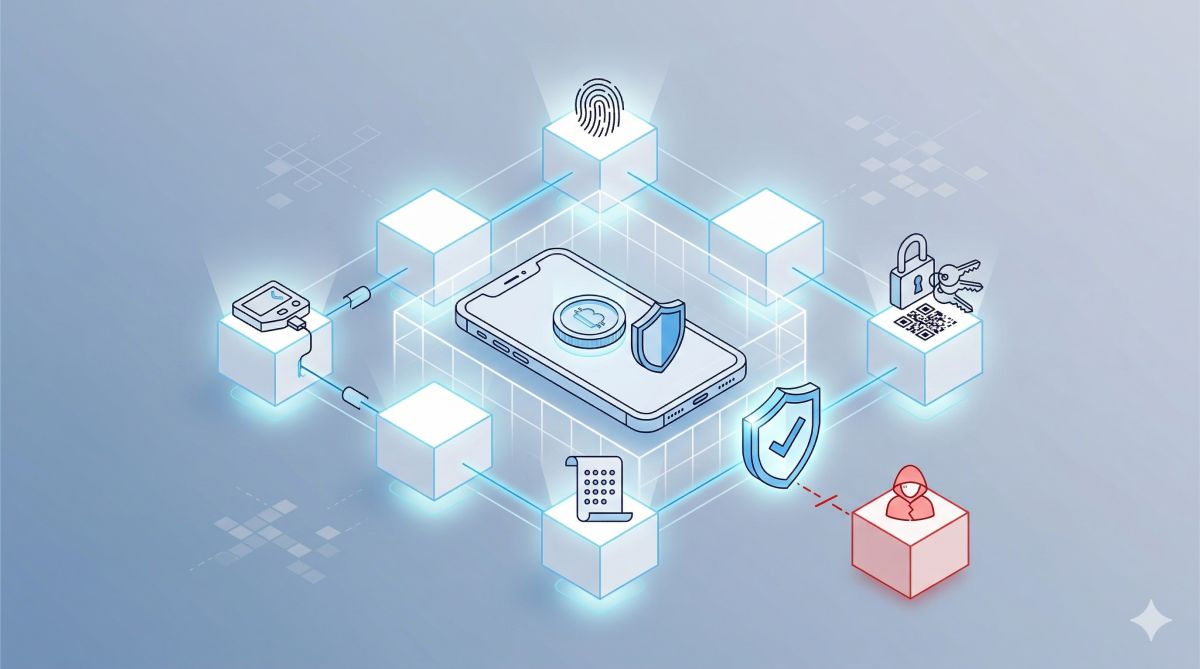
In the decentralized era of 2026, you are no longer just a user; you are your own bank manager. While this brings unprecedented freedom, it also places the ultimate responsibility of security squarely on your shoulders. A crypto wallet doesn't actually store your coins—it guards the Private Keys that unlock them on the blockchain. Losing these keys means losing your assets forever, as there is no "Forgot Password" button in Web3. At ZanaChain, we analyze the latest defense mechanisms—from hardware "cold" storage to the new Multi-Signature protocols enabled by Pi’s Protocol 20—to ensure that your digital journey is as secure as it is rewarding. Your seed phrase is the crown jewel of your digital life; here is how to protect it.
The Golden Rules of Seed Phrase Management
Your 24-word recovery phrase (Seed Phrase) is the master key to your entire digital fortune. If a malicious actor gets these words, they have full control. In 2026, despite advanced tech, "Social Engineering" remains the #1 threat. Follow these non-negotiable rules:
- Zero Digital Traces: Never take a screenshot, save it in a "Notes" app, or email it to yourself. AI-driven malware can now scan your photo gallery for seed phrases.
- Analog Resilience: Write it on paper or, better yet, engrave it on a Metal Backup Plate. Metal is resistant to fire, water, and physical decay.
- Geographic Redundancy: Store two copies in two different physical locations (e.g., a home safe and a bank deposit box).
Hot Wallets vs. Cold Storage: Know the Difference
Not all wallets are created equal. Depending on your goals, you should use a combination of both:
- Hot Wallets (Daily Use): These are connected to the internet (like your Pi Wallet on your phone). They are convenient for daily transactions and dApp interactions but are more vulnerable to online attacks. Best for: Small amounts of PI for spending.
- Cold Wallets (The Vault): Devices like Ledger or Trezor keep your keys completely offline. Transactions are signed "inside" the device, so your keys never touch an internet-connected computer. Best for: Long-term savings and large holdings.
New Frontiers in 2026: Multi-Sig and Account Abstraction
Thanks to the Protocol 20 upgrade on the Pi Network, wallet security has entered a new era. We are now seeing the rise of:
1. Multi-Signature (Multi-Sig) Wallets
Instead of one key, a transaction requires 2 out of 3 (or more) approvals. You can have one key on your phone, one on your laptop, and one held by a trusted family member. Even if one device is hacked, your funds remain safe.
2. Account Abstraction (Smart Wallets)
This allows for "Social Recovery." If you lose your phone, you can designate "Guardians" (trusted friends or a secondary hardware wallet) who can help you regain access to your account without needing the original seed phrase. This makes Web3 as user-friendly as Web2.
Common Threats to Watch Out For
Even with the best wallet, "User Error" is the biggest vulnerability. Stay alert for:
- Wallet Drainers: Malicious dApps that ask you to sign a transaction that looks harmless but actually grants them permission to "spend" all your tokens. Always read the contract interaction pop-up in your Pi Browser.
- SIM-Swap Attacks: Hackers can take over your phone number to bypass 2FA. ZanaChain Recommendation: Use app-based authenticators (like Google Authenticator) or physical security keys (YubiKey) instead of SMS codes.
Conclusion: The Price of Freedom is Vigilance
In the world of Web3, you have total control, but that also means there is no safety net provided by a central bank. Your wallet security is the foundation upon which your digital wealth is built. By combining physical backups with modern tools like hardware wallets and Multi-Sig protocols, you can participate in the Pi Network ecosystem with total peace of mind. At ZanaChain, we don't just build apps; we advocate for a safer community. Remember: Your keys, your future. Lose your keys, lose your future.