The Rise of GameFi: Gaming Meets Blockchain
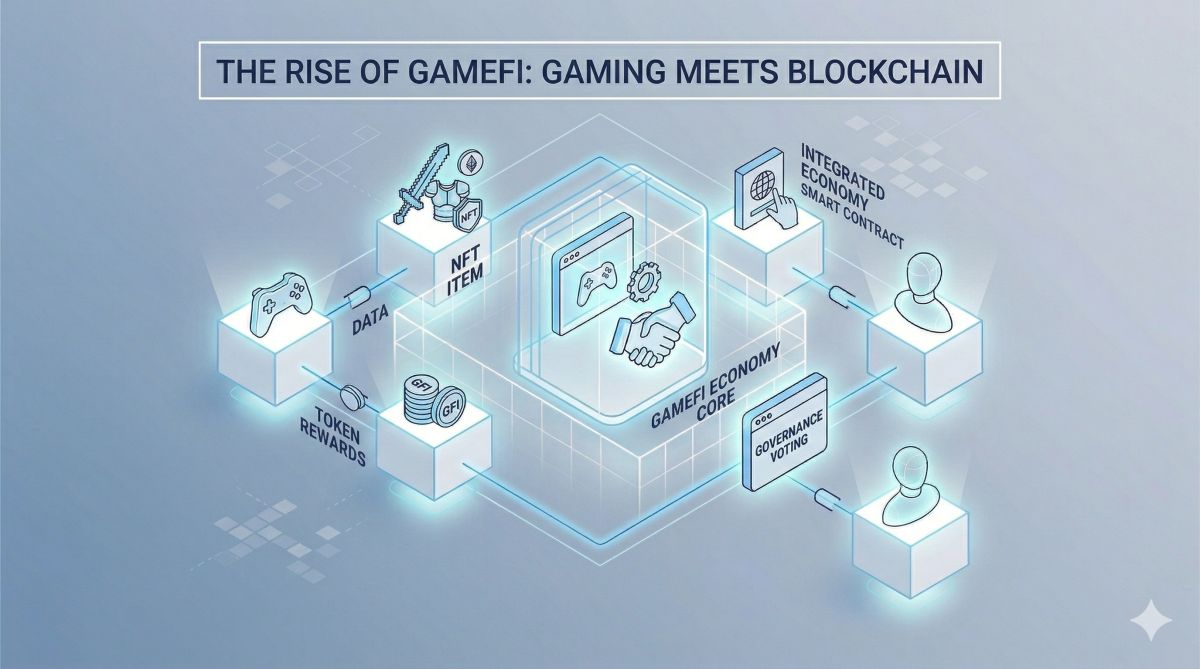
The gaming industry is undergoing a seismic shift where "playing for fun" and "earning for real" are finally merging. GameFi, the fusion of gaming and decentralized finance, is transforming players from simple consumers into digital asset owners. In the 2026 Web3 era, the sword you earn in a dungeon or the land you build in a virtual world are no longer just pixels—they are verified NFTs that you can trade, sell, or lease. At ZanaChain, we are exploring how the Protocol 20 upgrade on the Pi Network is empowering developers to build sustainable, high-quality games that reward skill and loyalty, creating a global economy where every achievement has real-world value.
What is GameFi? (From Pixels to Assets)
In traditional gaming (Web2), players spend billions of dollars every year on in-game items like "skins" or "battle passes." The problem? You don't actually own them. If the game studio shuts down its servers, your inventory vanishes. You are essentially renting digital experiences.
GameFi solves this through True Ownership. By representing in-game items as NFTs (Non-Fungible Tokens) on a blockchain, the assets belong to the player, not the developer. You can take your rare items out of the game and sell them on decentralized marketplaces like a Pi DEX or OpenSea.
The 2026 Evolution: Moving Beyond "Click-to-Earn"
Early GameFi projects in 2021 focused too much on "Earning" and not enough on "Gaming," leading to unsustainable economies. However, as of March 2026, the industry has matured into what we call GameFi 2.0. Here are the key differences:
1. Sustainability Over Hype
Modern games focus on "Token Sinks"—mechanisms that encourage players to spend or re-invest their tokens within the game (for upgrades, crafting, or land maintenance) rather than just selling them immediately. This keeps the economy balanced and healthy for the long term.
2. Protocol 20 and Smart Contract Utility
With the recent Protocol 20 update on the Pi Network, game developers can now create complex, automated reward systems. For example, a smart contract can automatically distribute rewards to a guild leader when their team wins a tournament, or manage an escrow service for "Item Renting" without any human intervention.
3. Interoperability (Cross-Game Assets)
The holy grail of 2026 gaming is Interoperability. Imagine using a skin you earned in a fantasy RPG as a badge of honor in a completely different racing game. Because the assets live on a decentralized blockchain, different games can recognize and interact with the same NFT, increasing its utility and value.
How to Participate: The Pioneer’s Path to GameFi
For the millions of verified Pioneers, entering GameFi is easier than ever. Through the Pi Browser, users can access an increasing number of dApps that integrate gaming with the PI currency.
- Verified Identity: Because Pi has a massive KYC-verified user base, GameFi projects on Pi are largely protected from "bot farming," ensuring that rewards go to real human players.
- Low Barriers: You don't need a $2,000 gaming PC. Most Pi-based GameFi projects are mobile-first, allowing anyone with a smartphone to join the decentralized economy.
ZanaChain’s Vision for the Future of Play
At ZanaChain, we believe that the best games are those where the economy is invisible but rewarding. Our focus is on supporting dApps that prioritize Gameplay First. A game should be fun to play even if you weren't earning anything; the "Fi" (Finance) part should simply be a reward for your time and skill. We are excited to build and promote games that use the Pi Network’s scalable infrastructure to bring Web3 ownership to the next billion gamers.
Frequently Asked Questions (FAQ)
1. Can I really make a living from GameFi?
While some professional players in developing regions have earned significant income, it is best to view GameFi as a way to "subsidize" your hobby. The primary goal should be entertainment, with earnings as a secondary benefit of your digital ownership.
2. Do I have to pay "Gas Fees" to play?
On the Pi Network, transaction fees are incredibly low (usually 0.01 PI). Some games even use "Meta-Transactions" where the developer covers the fee for the player to ensure a smooth, Web2-like experience.
3. What happens to my NFTs if I stop playing the game?
They stay in your Pi Wallet! You can keep them as collectibles, gift them to a friend, or list them for sale on a decentralized marketplace. You are the sole owner of your digital achievements.
Conclusion: The New Era of Digital Achievement
GameFi is not just a trend; it is the logical conclusion of the digital age. As we spend more of our lives in virtual spaces, the desire to own our digital legacy becomes undeniable. By combining the social power of the Pi Network with the technical rigor of Protocol 20, we are creating a world where "Play" is productive. At ZanaChain, we invite you to stop being just a player and start being an owner. The game has changed—literally.