What Is an NFT? Understanding Non-Fungible Tokens
A few years ago, the internet was suddenly flooded with headlines about digital pictures of apes and pixelated punks selling for millions of dollars. For many, this was their first introduction to NFTs (Non-Fungible Tokens). Because of this hype, a common misconception was born: "NFTs are just overpriced JPEGs."
At ZanaChain, we look far beyond the speculative hype. We recognize NFTs for what they truly are: a groundbreaking technological shift in how we prove ownership, authenticity, and digital property rights in the Web3 ecosystem. In this comprehensive guide, we will break down exactly what an NFT is and how it is changing the digital world.
What Does "Non-Fungible" Actually Mean?
To understand NFTs, you first need to understand the word "Fungible."
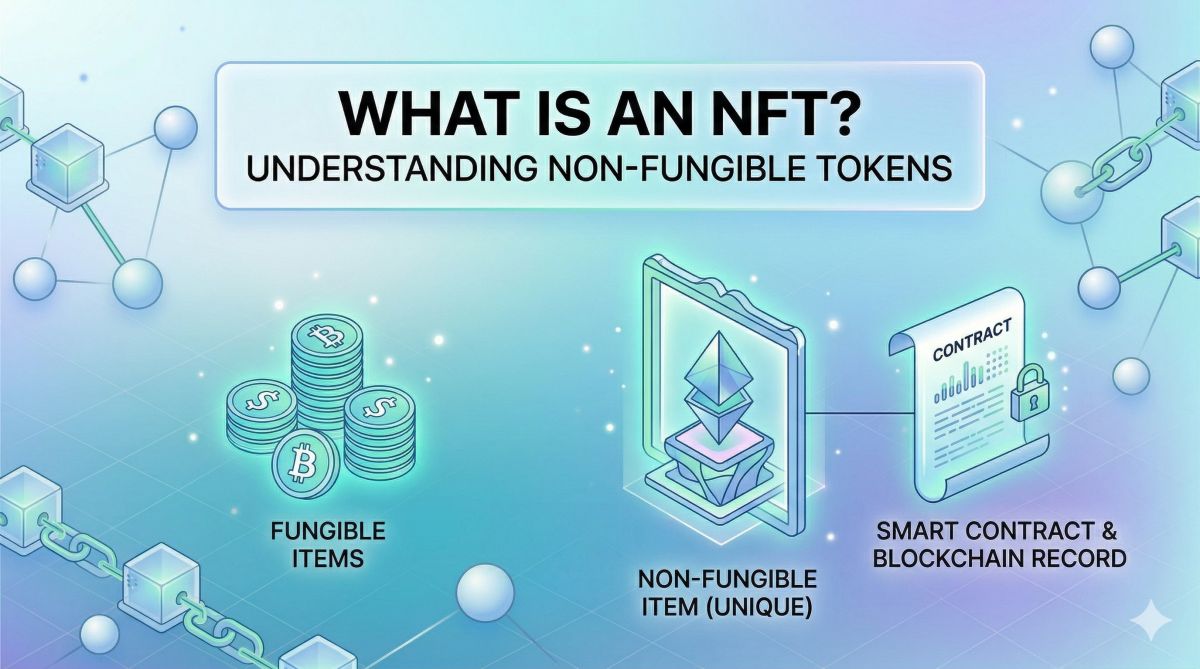
If an asset is fungible, it means it is completely interchangeable with another identical asset. For example, a $10 bill is fungible. If you trade your $10 bill for my $10 bill, neither of us loses value; they are the exact same thing. The same goes for cryptocurrencies: 1 Bitcoin is exactly equal to another 1 Bitcoin.
Non-Fungible, on the other hand, means one-of-a-kind. Think of the Mona Lisa painting, a rare baseball card, or your house deed. You cannot simply swap your house for another house and assume they have the exact same value. An NFT is the digital equivalent of this concept. It is a unique, irreplaceable digital asset.
How Do NFTs Work Under the Hood?
An NFT is essentially a digital certificate of authenticity stored on a decentralized blockchain (like Ethereum, Polygon, or Pi Network). Here is how the magic happens:
- Smart Contracts: NFTs are created (or "minted") using smart contracts. These pieces of code assign a unique identification code and metadata to the asset.
- Unbreakable Proof of Ownership: Because this data is stored on a public ledger, anyone can verify who the original creator is, who currently owns it, and its entire transaction history.
- Immutability: Once an NFT is minted, its record cannot be altered, forged, or deleted by hackers.
Beyond Digital Art: The Real Use Cases of NFTs
While digital art and profile pictures (PFPs) popularized the technology, the true utility of NFTs extends into incredibly diverse industries:
1. Gaming and GameFi
In traditional video games, you can buy a digital sword or a character skin, but the game studio actually owns it. If they ban your account or shut down the server, you lose your items. With NFTs, your in-game assets are stored in your Web3 wallet. You truly own them and can sell them to other players on open marketplaces.
2. Music and Media
Musicians and creators are using NFTs to bypass greedy record labels and streaming platforms. By releasing an album as an NFT, creators can sell directly to their fans and even program the smart contract to pay them automatic royalties every time the NFT is resold in the future.
3. Ticketing and Exclusive Memberships
Instead of paper tickets or QR codes that can be easily counterfeited, event organizers are issuing NFT tickets. These tokens not only grant entry to a concert but can also serve as a lifetime membership pass to exclusive communities.
4. Real-World Assets (RWA)
The future of NFTs involves tokenizing physical items. Imagine buying a house where the deed is an NFT transferred instantly to your wallet, eliminating weeks of paperwork and legal fees.
Conclusion: The Future of Digital Property
NFTs represent the foundation of digital property rights in the decentralized internet. They empower creators to monetize their work directly and allow users to truly own their digital lives. As we continue to explore and build within the Web3 space at ZanaChain, understanding the utility behind NFTs will be crucial for navigating the digital economy of tomorrow.