What Is Blockchain? Understanding Distributed Ledger Technology
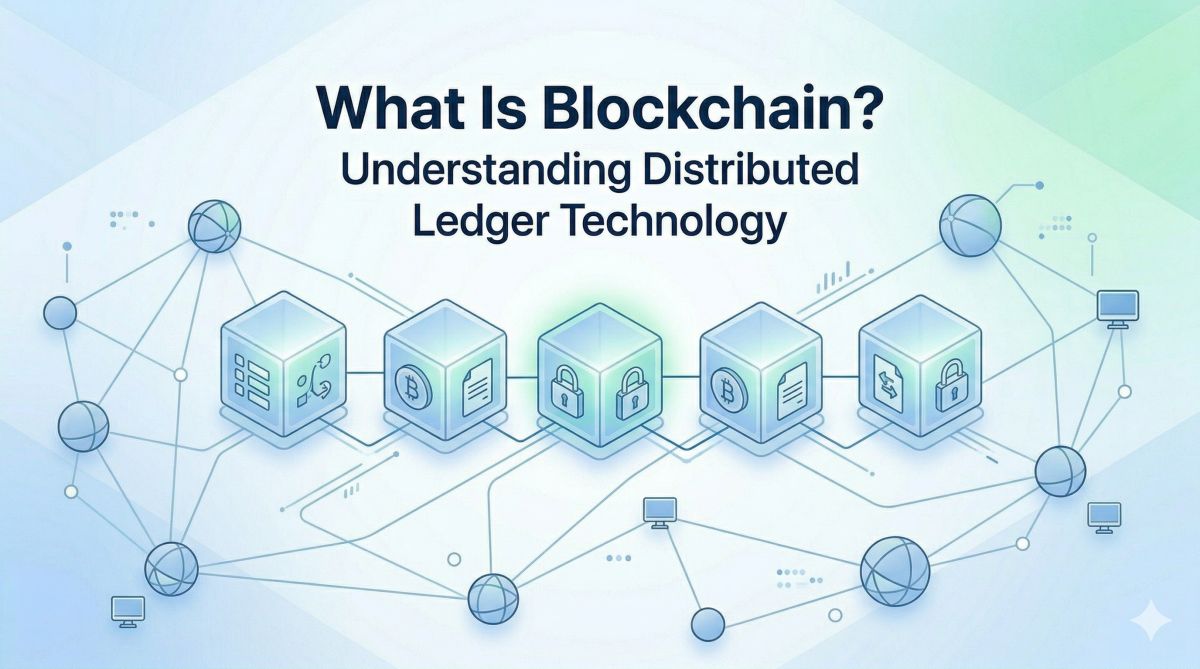
When most people hear the word blockchain, their minds immediately jump to Bitcoin or cryptocurrency. However, while blockchain is the underlying technology that makes digital currencies possible, its potential extends far beyond finance. At ZanaChain, we view blockchain not just as a tool for money, but as the foundational infrastructure of a more transparent, secure, and user-centric internet (Web3).
In this guide, we will explore what Distributed Ledger Technology (DLT) is, how it functions under the hood, and why it is disrupting traditional industries worldwide.
What Is Blockchain Technology?
At its core, a blockchain is a decentralized, digital ledger. To understand this, imagine a traditional ledger—a physical book or a central database owned by a bank where all transactions are recorded. In the traditional model, you have to trust the bank (the central authority) to manage and secure that data.
A blockchain flips this model upside down. Instead of one central entity holding the ledger, copies of the exact same ledger are distributed across a massive network of independent computers (called nodes). Every time a new transaction occurs, it must be verified by this network before being recorded simultaneously on everyone's copy.
How Does a Blockchain Actually Work?
The magic of blockchain lies in its structure and cryptographic security. Here is a step-by-step breakdown of how a transaction is processed on a decentralized network:
1. The Request
A user requests a transaction. This could involve transferring cryptocurrency, executing a smart contract, or recording digital identity data.
2. Network Verification
The request is broadcast to a peer-to-peer (P2P) network consisting of computers known as nodes. These nodes use consensus algorithms (like Proof of Work or Proof of Stake) to validate the transaction and the user's status.
3. Forming a "Block"
Once verified, the transaction is combined with other recent transactions to create a new block of data for the ledger.
4. The Cryptographic "Chain"
This new block is then added to the existing blockchain. It is tied to the previous block using a unique cryptographic code called a hash. If a hacker tries to alter the data in one block, its hash changes, which invalidates every subsequent block in the chain. This makes the data virtually impossible to tamper with.
Key Benefits of Blockchain Architecture
Why are major corporations, governments, and projects like Pi Network shifting towards blockchain? The advantages are revolutionary:
- Unmatched Security: By relying on cryptography and a distributed network, there is no single point of failure for hackers to target.
- Total Transparency and Traceability: Public blockchains allow anyone to trace the history of a transaction back to its origin, significantly reducing fraud.
- Elimination of Intermediaries: By removing the "middlemen" (banks, brokers, or clearinghouses), transactions become faster, cheaper, and purely trustless.
- Immutability: Once data is written to the blockchain, it cannot be easily deleted or altered, ensuring a permanent and true historical record.
Real-World Use Cases (Beyond Finance)
While ZanaChain focuses heavily on Decentralized Finance (DeFi) and Web3 ecosystem products, blockchain technology is transforming several other sectors:
- Supply Chain Management: Companies can track a product's journey from the factory floor to the store shelf in real-time, verifying authenticity and ethical sourcing.
- Healthcare: Securing patient records and allowing patients to control exactly who accesses their medical history.
- Digital Identity: Providing citizens with secure, unforgeable digital IDs, protecting against identity theft and data breaches.
The Future is Distributed
Blockchain technology is shifting the power dynamics of the digital world, giving control back to the users. Understanding this distributed ledger technology is your first step into the Web3 revolution. Stay tuned to ZanaChain's guides as we continue to build and explore the decentralized applications (dApps) of tomorrow.