What Is Pi Network? A Mobile-First Cryptocurrency Revolution
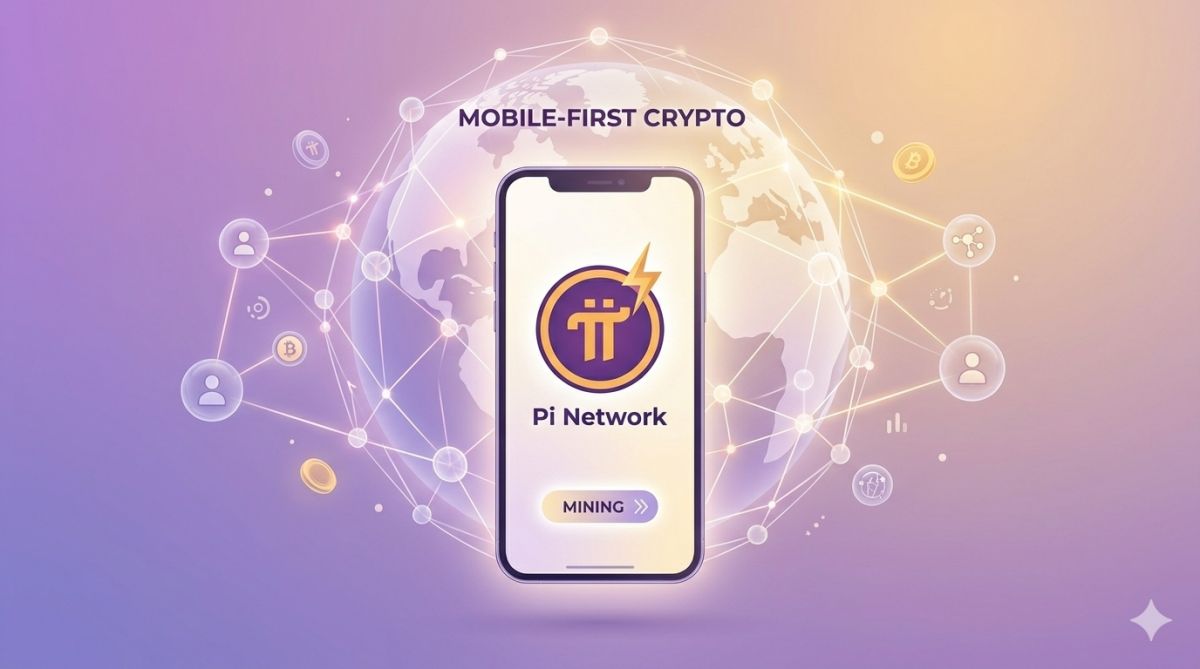
For years, the world of cryptocurrency was heavily guarded by a massive barrier to entry. If you wanted to mine Bitcoin or participate in network validation, you needed thousands of dollars for specialized hardware, incredibly cheap electricity, and advanced technical knowledge. It was a financial revolution, but only for the few who could afford to play the game.
Then came the Pi Network. Launched by a team of Stanford graduates, the project had one audacious goal: to put the power of cryptocurrency directly into the hands of everyday people using nothing more than the smartphone in their pocket. Today, with tens of millions of KYC-verified users and a fully live Open Mainnet, Pi has evolved from a social experiment into one of the largest decentralized ecosystems in the world. In this comprehensive guide, we will explore the technology behind Pi Network, the massive 2026 protocol upgrades, and why ZanaChain is dedicated to building real utility on this revolutionary blockchain.
The Vision: Accessible Crypto Without the Carbon Footprint
The fundamental flaw of traditional Proof of Work (PoW) mining is its devastating environmental impact and centralization. Massive server farms controlled by a few corporations dominate the market. Pi Network was designed to solve this by creating a mobile-first ecosystem.
Instead of relying on energy-hungry computers to solve complex math puzzles, Pi Network utilizes a modified version of the Stellar Consensus Protocol (SCP). This lightweight algorithm allows users to mine PI coins directly from their mobile app without draining their phone's battery or using its CPU processing power. By simply checking in daily to prove they are human, users participate in the network's token distribution.
How Pi Network Mining Works: The Web of Trust
If there is no physical mining equipment, how is the Pi blockchain kept secure? The answer lies in human trust and social validation.
- Pioneers: The everyday users who open the app to signal their active presence and earn PI tokens.
- Security Circles: Users connect with 3 to 5 trusted friends or family members within the app. Because each user vouches for the others, the network creates an interlocking global "Trust Graph."
- Nodes: The actual desktop computers running the blockchain software. They use the Trust Graph created by the mobile users to determine who is honest and who is trying to defraud the network. This synergistic relationship allows the blockchain to reach consensus instantly and securely.
The 2026 Reality: Open Mainnet and Protocol 20
Many early critics dismissed Pi Network because its Mainnet was "Enclosed" behind a firewall for years. However, history was made in February 2025 when the firewall dropped, officially launching the Open Network. PI became a fully transferable, exchange-listed cryptocurrency with global liquidity.
But the true evolution arrived in March 2026 with the deployment of the Protocol 20 Upgrade. This monumental technical milestone laid the foundational infrastructure for true Smart Contracts on the Pi blockchain. It transitioned Pi from being just a "payment token" into a full-fledged Layer-1 developer platform, capable of hosting complex Decentralized Applications (dApps).
PiRC1 and the ZanaChain Vision: Utility Over Speculation
In the broader Web3 space, millions of tokens are launched purely for pump-and-dump speculation. Following the Open Mainnet launch, the Pi Core Team introduced frameworks like PiRC1 to combat this. The philosophy is simple: "Proof before Profit." Projects must launch working products and real-world utility before they can issue ecosystem tokens.
This product-first, utility-driven approach is the exact foundation upon which ZanaChain operates. With Protocol 20 now live, our mission is to leverage Pi's massive, KYC-verified user base to build seamless, everyday dApps. Whether it is decentralized finance tools, digital marketplaces, or Web3 educational platforms, the true value of the Pi Network will be defined by the applications built on top of it.
Frequently Asked Questions (FAQ)
1. Is Pi Network still free to mine?
Yes. However, the mining rate heavily decreases over time as the total user base grows (a mechanism similar to Bitcoin's halving). Early adopters mined at a much higher rate than those joining today, ensuring scarcity.
2. Do I need to provide my ID to use the Mainnet?
Yes. To combat bots and fake accounts, Pi Network requires all users to pass a strict Know Your Customer (KYC) identity verification process before their mobile-mined tokens are transferred to their real blockchain wallet.
3. Does the Pi app drain my phone's battery or data?
No. The mobile app does not perform any heavy cryptographic calculations. It simply acts as a portal connecting to the servers to record your daily check-in. It uses negligible battery and data.
Conclusion: The Future is Mobile
Pi Network is no longer a futuristic concept waiting to launch; it is a living, breathing blockchain processing thousands of transactions daily. By prioritizing massive, verified user distribution before opening the floodgates of decentralized finance, Pi has created the most inclusive crypto community in history. As developers at ZanaChain utilize the new smart contract capabilities, we are standing at the threshold of a mobile-first Web3 revolution.