What Is Tokenization? Converting Assets into Digital Tokens
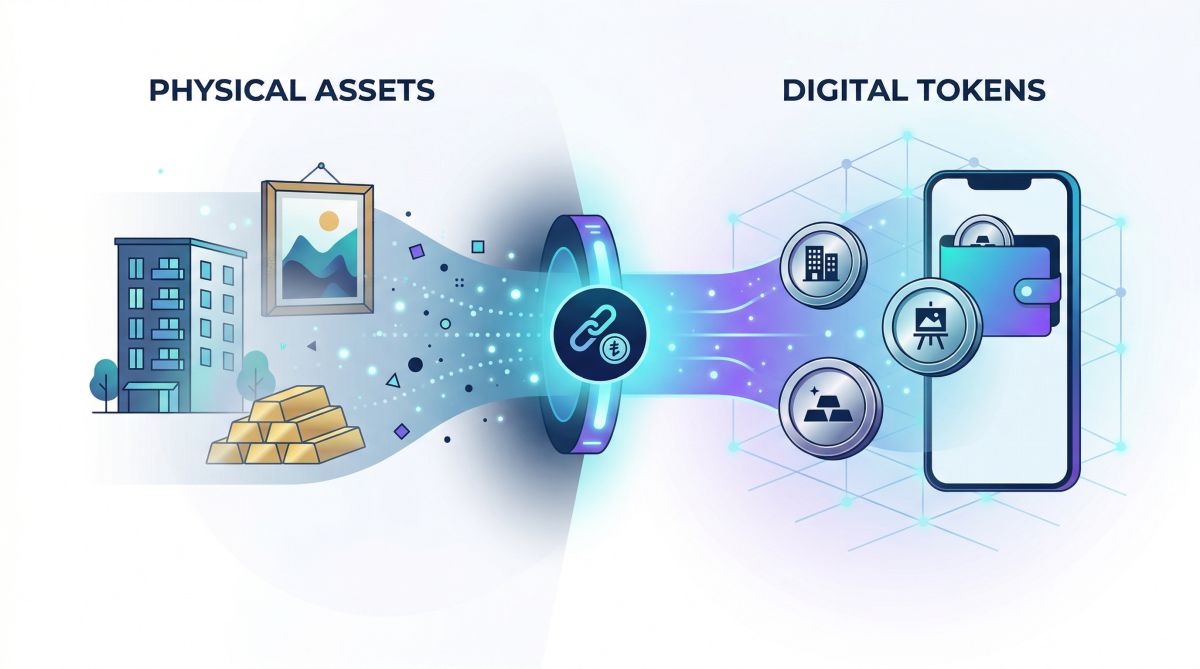
Look around you. The physical world is filled with incredibly valuable assets: real estate, fine art, gold bars, and corporate stocks. However, the traditional system used to buy, sell, and trade these assets is fundamentally broken. It is slow, buried in legal paperwork, restricted by geographic borders, and usually reserved only for the ultra-wealthy.
What if you could buy a $500 share of a commercial skyscraper in New York with a single click on your smartphone? What if you could trade a fraction of a Picasso painting at 3:00 AM on a Sunday? This is no longer science fiction. It is the core promise of Tokenization. At ZanaChain, we believe that bridging the physical and digital economies is the ultimate use case for Web3. In this deep-dive guide, we will explore what tokenization is, how Real-World Assets (RWA) are moving on-chain, and why this technology is disrupting global finance.
What Exactly Is Tokenization?
In simple terms, Tokenization is the process of converting the ownership rights of a physical or digital asset into a digital token that lives on a blockchain.
The Casino Chip Analogy: Think of a casino. You cannot play poker with your car keys, a gold watch, or even a $100 bill. You must first exchange your cash for plastic chips. The chip itself has no intrinsic value, but it mathematically represents the cash locked in the casino's vault. Tokenization does the exact same thing, but instead of plastic chips, it uses cryptographic tokens on a decentralized network. These tokens represent the underlying asset—whether that is a house, a barrel of oil, or intellectual property.
How the Tokenization Process Works (Step-by-Step)
Bringing a physical asset onto the blockchain is a complex process that marries traditional law with smart contract technology. Here is how a real estate property becomes tokenized:
1. Asset Selection and Valuation
A property (e.g., a $1 Million apartment) is selected. Independent auditors and legal entities appraise the property and verify its title and ownership.
2. Legal Structuring
This is the hardest part. A legal entity (like an LLC or a Trust) is created to take physical ownership of the apartment. The rights of this LLC are then legally bound to the digital tokens.
3. Minting the Tokens (Smart Contracts)
Developers use smart contracts to generate the tokens on a blockchain (such as Ethereum, Polygon, or ecosystems like Pi Network). They might divide the $1 Million apartment into 100,000 tokens, making each token worth exactly $10. The smart contract is programmed with the rules, such as automatically distributing rental income to the token holders every month.
4. Distribution and Trading
These tokens are then sold to investors. Because they live on a blockchain, investors can trade their $10 tokens peer-to-peer on decentralized exchanges (DEXs) 24/7/365.
The Revolutionary Benefits of Tokenization
Why are massive financial institutions like BlackRock and JPMorgan heavily investing in tokenization? The advantages solve centuries-old financial problems:
- Fractional Ownership (Democratization): Historically, you needed millions of dollars to invest in commercial real estate or fine art. Tokenization allows a user in another country to invest $50 and own a proportional fraction of that asset. It levels the financial playing field.
- Unlocking Massive Liquidity: Real estate is an "illiquid" asset. If you need cash, it takes months to find a buyer, hire lawyers, and sell a house. Tokenized real estate is highly liquid. You can sell your fractional tokens instantly on a global market.
- Transparency and Immutability: Because ownership records are kept on a public ledger, title fraud becomes virtually impossible. Everyone can see who owns what, when it was bought, and for how much.
- Automated Compliance: Smart contracts can be programmed to enforce KYC (Know Your Customer) rules, ensuring tokens can only be transferred to legally verified wallets.
Real-World Assets (RWA) Already Being Tokenized
The "RWA" narrative is currently one of the biggest trends in Web3. Industries actively utilizing this technology include:
- Real Estate: Tokenizing commercial buildings, hotels, and residential properties to distribute rental yields.
- Commodities: Digital tokens that represent physical gold, silver, or oil stored in audited vaults (e.g., PAX Gold).
- Financial Instruments: Traditional stocks, treasury bills, and bonds are being issued directly onto blockchains to eliminate settlement delays.
- Intellectual Property: Musicians are tokenizing their song rights, allowing fans to invest and earn a share of the Spotify streaming royalties.
Challenges and Risks to Consider
To maintain a balanced perspective, we must acknowledge the hurdles tokenization faces:
- The Oracle Problem: A blockchain only knows what happens digitally. It does not know if the physical house it represents just burned down. We rely on trusted third parties (Oracles and auditors) to link physical reality to digital tokens, which requires a degree of centralization.
- Regulatory Uncertainty: Are these tokens considered securities? Every country has different laws. Navigating the legal gray areas requires massive compliance efforts.
Frequently Asked Questions (FAQ)
1. What is the difference between an NFT and a Tokenized Asset?
An NFT (Non-Fungible Token) represents a unique, one-of-a-kind asset (like a specific painting). However, if you divide that painting into 1,000 equal shares so many people can own it, those shares are fungible tokens (mutually interchangeable), much like standard cryptocurrency.
2. Can I live in a house if I own a token of it?
No. Owning a fractional token of a property gives you economic rights (a share of the rent and price appreciation), not physical usage rights. You are an investor, not a tenant.
Conclusion: The Web3 Financial Bridge
Tokenization is not just a cryptocurrency buzzword; it is a fundamental upgrade to global financial infrastructure. By converting illiquid, slow-moving physical assets into programmable, hyper-liquid digital tokens, we are moving toward a more inclusive economy. As ecosystems like the Pi Network evolve, the ability to integrate real-world utility with decentralized applications (dApps) will be the key to mass adoption. Stay tuned to ZanaChain as we continue to track and build within the exciting world of tokenized assets.